Guides4 Sept 20264 min read

The Three-Year Rule in Greek Residential Leases: Expiry, Tacit Renewal, Termination

Why a 'twelve-month' Greek residential lease binds for three years, what happens when the three years pass — and how a tenancy ends properly, down to the AADE termination filing.

mmamaXO Editorial Team · Editorial
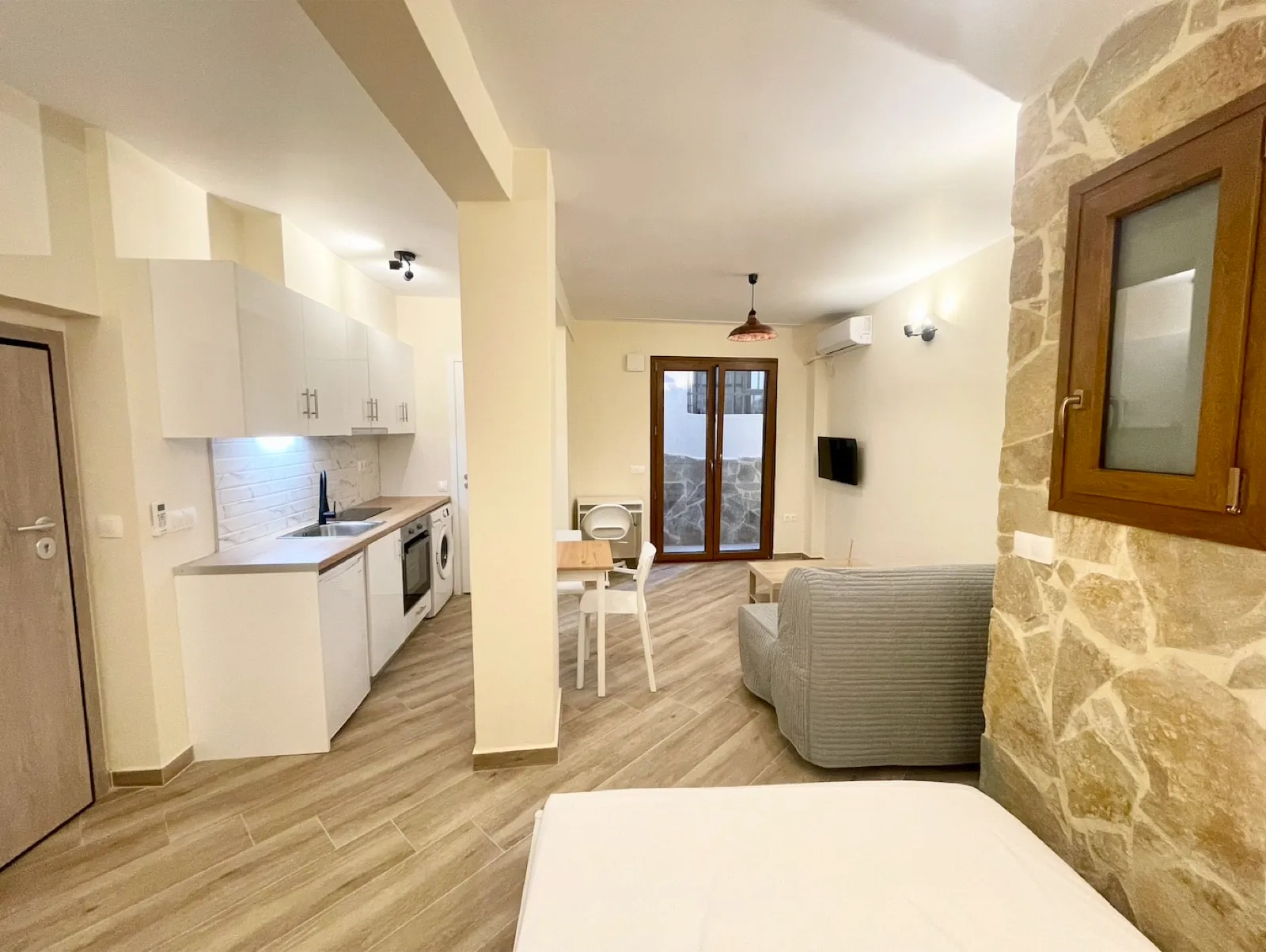
Studio with a stone wall and sitting area in an Athens apartment
Quick answer

A residential lease in Greece runs for at least three years, even if the contract states a shorter or indefinite term (Law 1703/1987). The three-year term binds both parties. Once it passes and the tenant stays on with the landlord's consent, the tenancy becomes open-ended and is ended by written notice — and the termination is declared to AADE.

Key takeaways
  • The three-year minimum applies automatically: it overrides any shorter term written in the contract.
  • It binds both sides — the landlord cannot remove a compliant tenant early, and the tenant cannot walk away without liability.
  • Rent adjustments within the three years require an indexation clause in the contract.
  • After the three years, a tenancy that continues tacitly becomes open-ended and is ended by written notice.
  • Ending a tenancy does not finish at the keys: declare the termination to AADE.

Tool for this topic: a free Greek lease

Fill in the flat, the tenant and the terms — a lease that meets every 2026 rule, in 3 minutes.

In this article
  1. What the law says
  2. What this means in practice for the landlord
  3. The three years have passed: tacit renewal
  4. How a tenancy ends properly
  5. If the tenant wants to leave early
  6. So you do not have to count the months

The standard 'twelve-month' Greek residential contract hides a detail that surprises landlords and tenants alike: it does not end at twelve months. Residential tenancies are protected by a minimum three-year duration — and ignoring it in your planning is expensive.

What the law says

Under Law 1703/1987 as in force, a lease of property used as a residence runs for at least three years — even where a shorter or indefinite duration was agreed. The three-year term operates automatically: it does not need to appear in the contract to apply, and it is not bypassed because the paper says 'twelve months'. An earlier end is in principle possible only by a later agreement of both parties.

What this means in practice for the landlord

  • Commitment on duration: a compliant tenant cannot be removed before the three years are up because, say, you found a better rent.
  • The rent: adjustment within the three years happens only if the contract contains an indexation clause. Without one, the rent stays as it is — which is why that clause belongs in the basics of any well-drafted lease.
  • Planning: if you intend to sell or move in yourself soon, the three-year term goes into the plan before you sign — not after.

The three years have passed: tacit renewal

If, after expiry, the tenant remains in the property and the landlord keeps accepting rent without objection, the tenancy continues open-ended, essentially on the same terms. This is not an 'illegal' state — but it is one nobody planned deliberately. If you want a new fixed term or a new rent, the clean route is a new or amending agreement — declared accordingly to AADE.

How a tenancy ends properly

  1. Fixed-term lease: it ends when the agreed (and legally minimum) term passes — no notice required, unless it continues tacitly.
  2. Open-ended lease: it ends by written notice. The notice periods and effects are set by the Civil Code depending on how the rent is fixed — when in doubt, brief legal advice before serving notice costs less than an invalid notice.
  3. Handover and deposit: taking back the property, recording its condition, settling the accounts and returning the deposit under the contract's terms.
  4. Termination filing with AADE: the step most often forgotten — without it, rental income keeps being pre-filled. See how a lease termination is declared.

If the tenant wants to leave early

The three-year term binds them too: leaving early without agreement does not automatically release them from the rent. In practice the most common and healthiest solution is consensual: agree a date, any compensation or a replacement tenant, put it in writing — and declare the termination.

So you do not have to count the months

Under mamaXO's management, expiry dates, renewals, adjustments and AADE filings are tracked by us — you watch the rent arrive. See how it works for owners — and if you are drafting a new contract now, our free lease builder already includes the clauses this guide describes.

General information, not legal or tax advice. Greek procedures and deadlines change — verify with the official source before acting.
Frequently asked questions

Can I sign a Greek residential lease for less than three years?
You can write it, but for a residential lease the three-year minimum of Law 1703/1987 prevails: the tenancy runs for three years even if the contract says less.
Can I raise the rent within the three years?
Only if the contract includes an adjustment clause (e.g. an annual increase). Without such a clause, the rent stays unchanged until expiry or a new agreement.
What happens when the lease expires and the tenant stays?
If the landlord keeps accepting rent without objection, the tenancy continues open-ended on essentially the same terms, and from then on ends by written notice.
Do I have to declare the end of the tenancy anywhere?
Yes — the termination is declared in the myAADE lease application. Without it, rental income keeps being pre-filled in your tax return.
Does the three-year rule apply to short-term Airbnb-style lets?
No — the minimum term concerns residential leases. Short-term tourist lets are governed by their own framework.

Build your lease (μισθωτήριο) free in 3 minutes

Term, rent, deposit, who pays what — to the 2026 rules, in Greek and English. Ready to send for signature; then declare it with ΑΑΔΕ.

About mamaXO

mamaXO is an Athens-based long-term rental platform: verified listings, signed leases and managed handovers for tenants and property owners. Our guides are written by the mamaXO team and reviewed by our in-house specialists. Learn more